Neapolitan charms (sirena & others)
Meaning
The Neapolitan repertoire includes the siren (sirena, a two-tailed mermaid under a crescent), keys, hearts, hunchbacks (gobbo), horseshoes, the mano pantea (a hand covered in symbols, descendant of the Sabazios hand) and compound charms.
Intent
They were worn and carried against jettatura and bad luck, and to bring fortune in love and money. They were bought at church doors and fairs, and many combined several charms in one.
Significance
Naples is Europe's richest living centre of evil-eye culture, and its charms record centuries of popular religion. The siren connects to the city's founding myth, since Naples was Parthenope, named after a siren.
History
Most surviving examples are 18th and 19th century silver, some coral. The tradition continues in modern plastic and gold charms sold throughout the city.
Making yours
1.5–5 cm cast and chased silver, gilt or plain.Mediterranean & Iberian Folk: the tradition
Southern Italy and Spain kept the Roman fight against the evil eye going without a break. In Naples the belief in jettatura, the unlucky glance, was taken seriously enough that 19th-century gentlemen made the horns sign in their pockets; Nicola Valletta's Cicalata sul fascino volgarmente detto jettatura (1787) is its classic text. Spanish children wore belts hung with jet higas, crystal, coral and chestnuts. Walter Leo Hildburgh collected thousands of these amulets in the early 20th century and gave them to the Victoria and Albert Museum, the Pitt Rivers and the Wellcome, which is why so many are in British museums today.
 Amulet, silver, Italian, 17th centuryItaly · 17th century
 Silver amulet shaped like a crescent moon with a human face, Naples (Italy), 1800-1899Naples · 1800-1899
 Amuletum: In ElitropioItaly · 1752
 Il talismano della CinaItaly · 1951
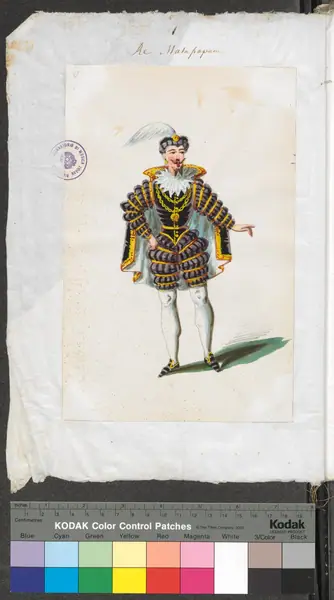 Il Talismano / Ballo composto dal Sig Fuchs / 1865Italy · 1865
 Personaggio con amuleti sotto rami di ciliegioItaly
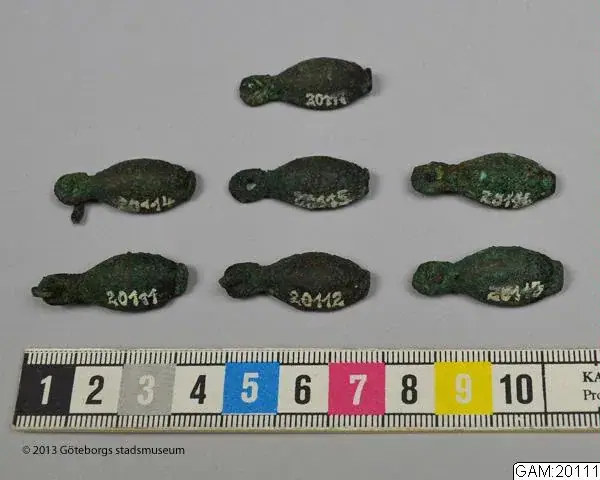 Amulet from ItalyItaly
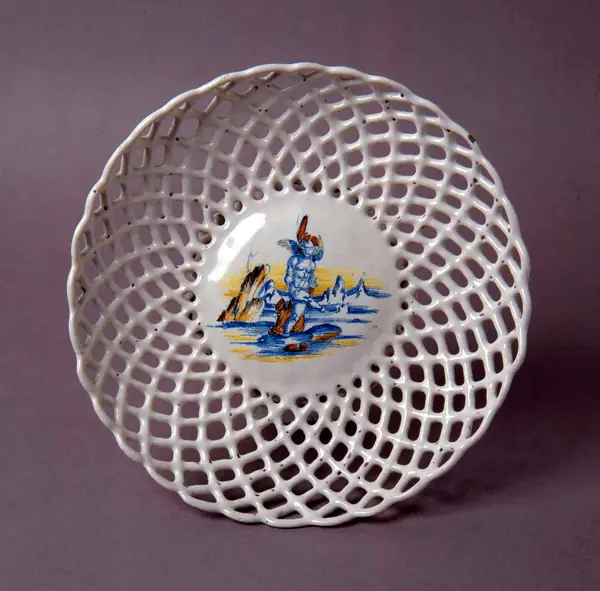 Charm, landscapeItaly
 Alstroemeria 'Parigo Charm'Italy
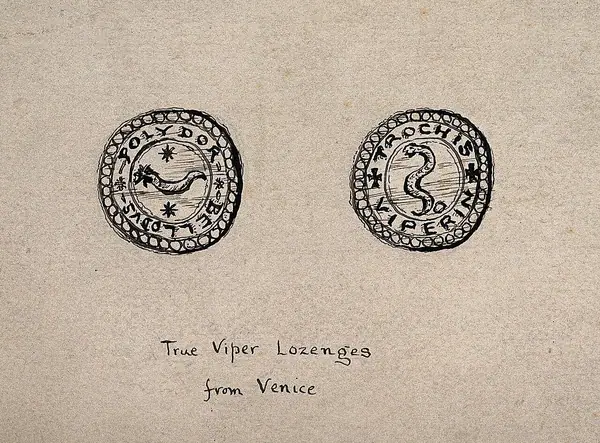 Two coin-like amulets used to ward off vipers and the effectart
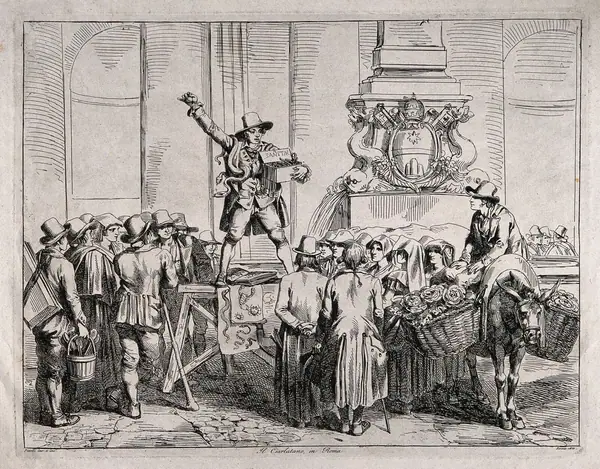 A salesman in Rome with a snake selling amulets as antidotes or prophylactics against snake-bite to a crowd of people. Etching by B. Pinelli, 1821.
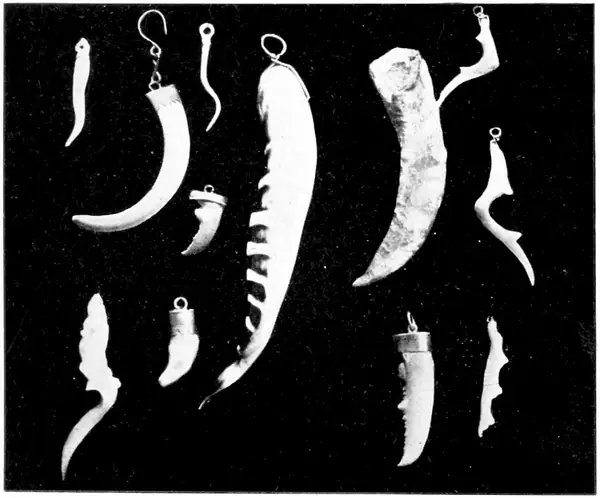 Plate 03, fig 9. Folk-Lore, vol.
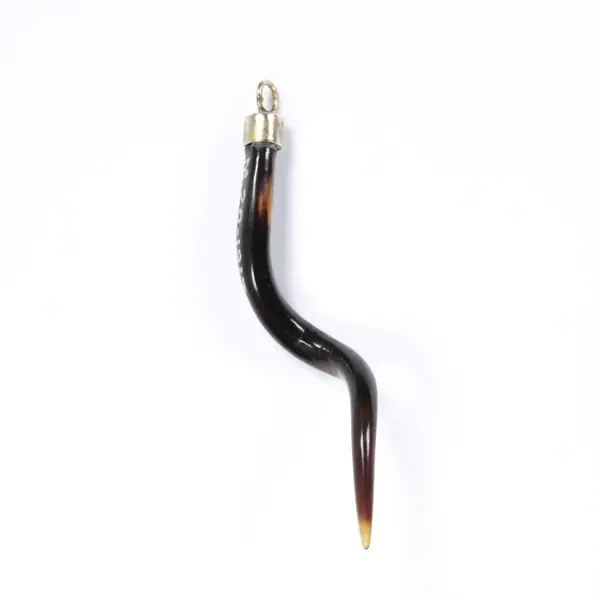 Pendant amulet made from a curled spike of horn or tortoiseshell in a brass mount, Italy, 1800-1899Italy · 1800-1899
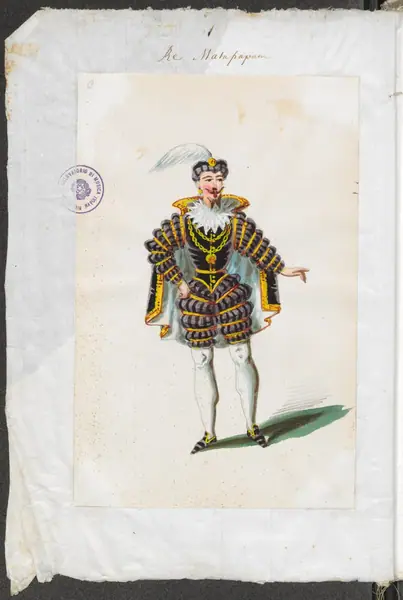 Figurino. Il talismanoItaly · 1865
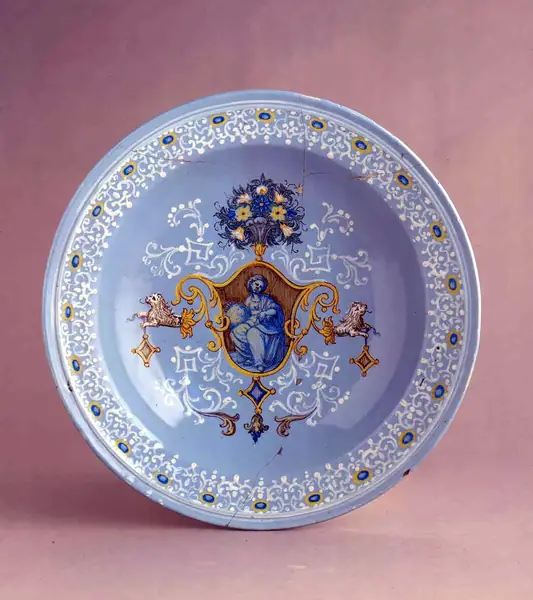 a woman with a charm and wandItaly
 Alstroemeria 'Parigo Charm'Italy
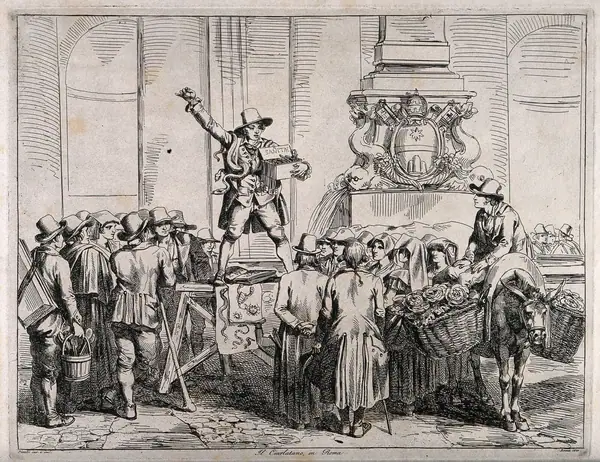 A salesman in Rome with a snake selling amulets as antidotes or prophylactics against snake-bite to a crowd of people. Etching by B. Pinelli, 1821.
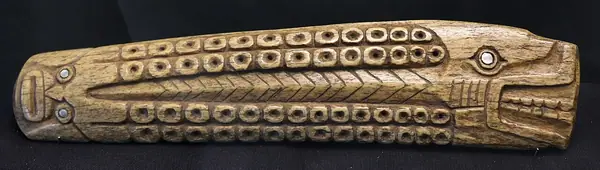 Stati uniti-canada, costa nord-ovest, haida, amuleto, in osso di cetaceo e conchiglia, xix secolo
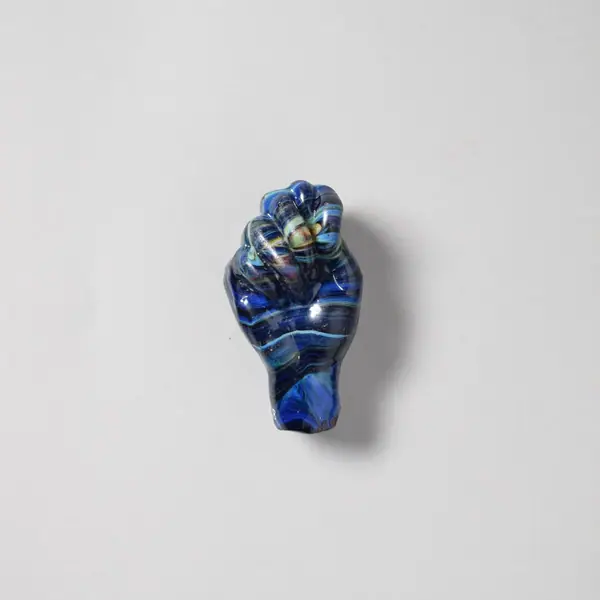 Amulet, Italy, 18th to mid-19th centuryItaly · 18th century - mid 19th century
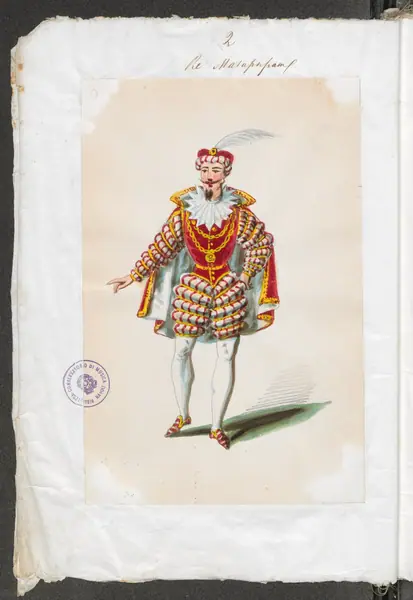 Figurino. Il talismanoItaly · 1865
 Alstroemeria 'Parigo Charm'Italy
 An itinerant salesman selling amulets against the bites of snakes and other animals to a crowd of people who purchase them eagerly. Etching by B. Pinelli, 1815.
 Various Amulets (49345516272)
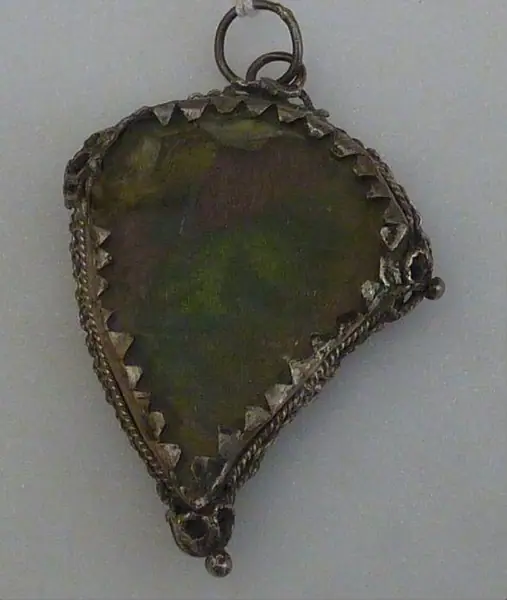 Silver heart-shaped reliquary case containing pieces of brocade, Italy, 1600-1799Italy · 1600-1799
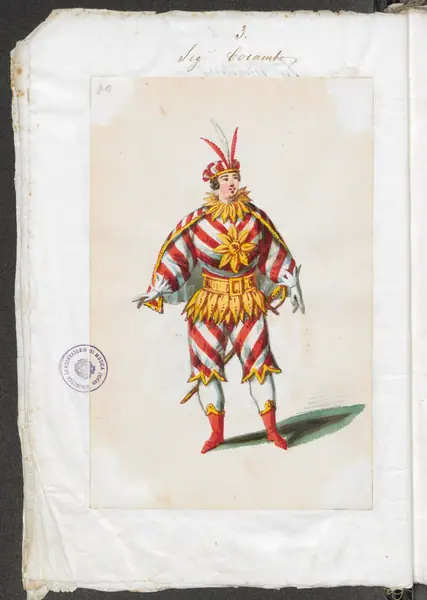 Figurino. Il talismanoItaly · 1865
 Alstroemeria 'Parigo Charm'Italy
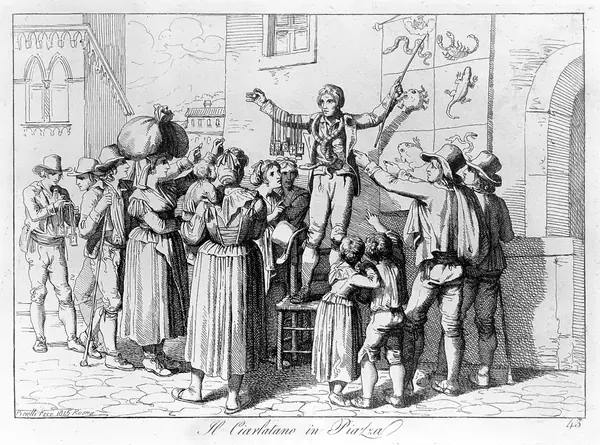 An itinerant salesman selling amulets against the bites of snakes and other animals to a crowd of people who purchase them eagerly. Etching by B. Pinelli, 1815.
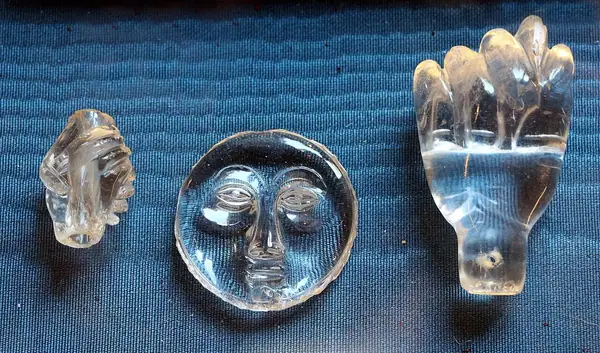 Italia, tre amuleti in cristallo di rocca, xiv-xvi secolo circa
 Figurino. Il talismanoItaly · 1865
 Alstroemeria 'Parigo Charm'Italy
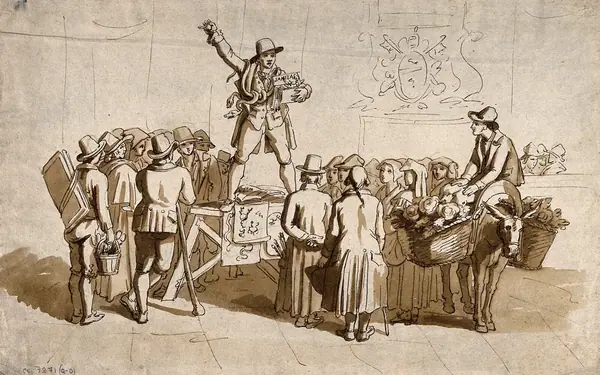 A salesman in Rome with a snake selling amulets as antidotes or prophylactics against snake-bite to a crowd of people.. Pen drawing by B. Pinelli, 1821.
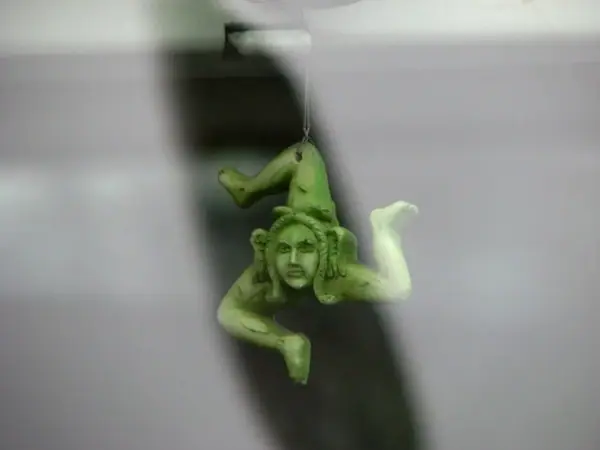 A green triskelion charm
 Figurino. Il talismanoItaly · 1865
 Alstroemeria 'Parigo Charm'Italy
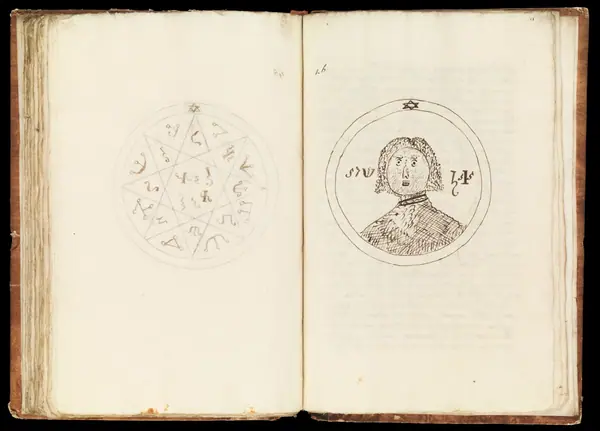 Clavicula, in Italian and Latin: preceded by 'Tre tavole di Livio Agrippa' (Three works by Livio Agrippa). c.1775
 Amulet islàmic d'Ifac, museu d'Història de Calp
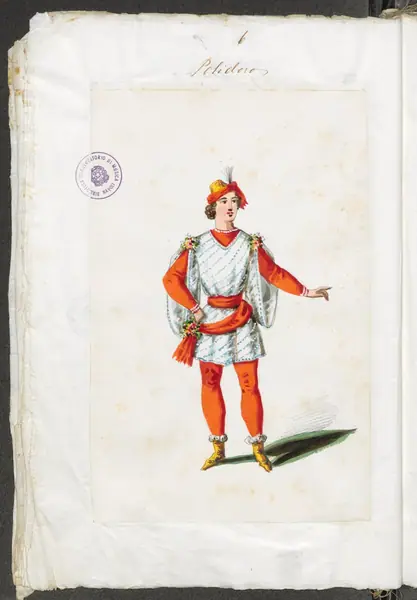 Figurino. Il talismanoItaly · 1865
 Alstroemeria 'Parigo Charm'Italy
 Clavicula, in Italian and Latin: preceded by 'Tre tavole di Livio Agrippa' (Three works by Livio Agrippa). c.1775
 Somalia, amuleti, in zinco, pasta vitrea e cuoio, xix secolo
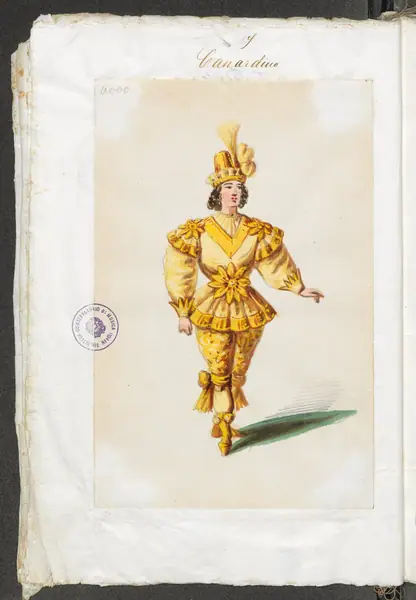 Figurino. Il talismanoItaly · 1865
 Alstroemeria 'Parigo Charm'Italy
 Clavicula, in Italian and Latin: preceded by 'Tre tavole di Livio Agrippa' (Three works by Livio Agrippa). c.1775
 Plate 03, fig 8. Folk-Lore, vol.
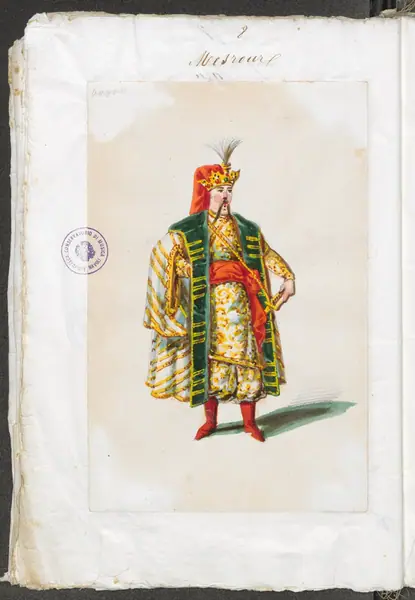 Figurino. Il talismanoItaly · 1865
 Alstroemeria 'Parigo Charm'Italy
 Clavicula, in Italian and Latin: preceded by 'Tre tavole di Livio Agrippa' (Three works by Livio Agrippa). c.1775
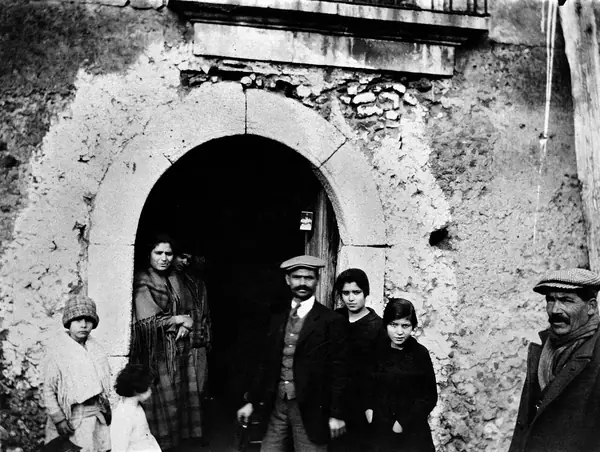 House at Mascli, where amulet was obtained
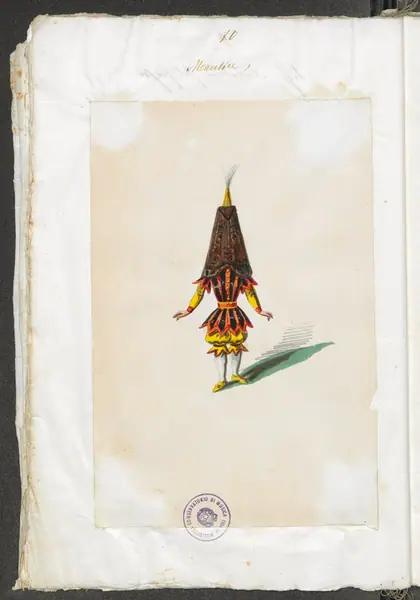 Figurino. Il talismanoItaly · 1865
 Alstroemeria 'Parigo Charm'Italy
 Clavicula, in Italian and Latin: preceded by 'Tre tavole di Livio Agrippa' (Three works by Livio Agrippa). c.1775
 S3 V7 tomba 10 amuleto
 Figurino. Il talismanoItaly · 1865
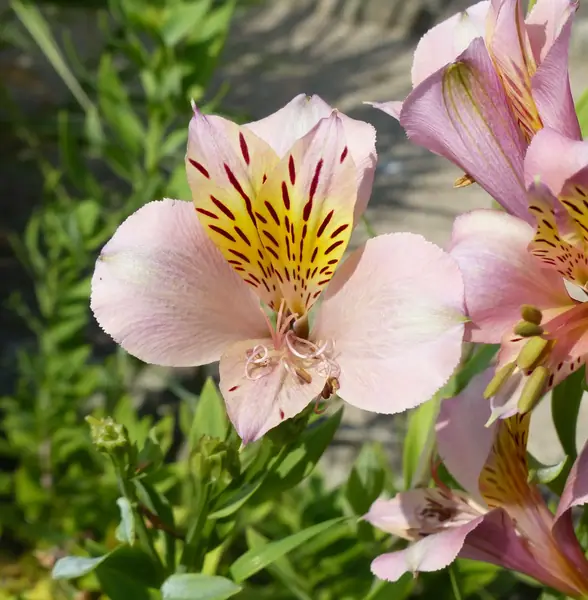 Alstroemeria 'Parigo Charm'Italy
 Clavicula, in Italian and Latin: preceded by 'Tre tavole di Livio Agrippa' (Three works by Livio Agrippa). c.1775
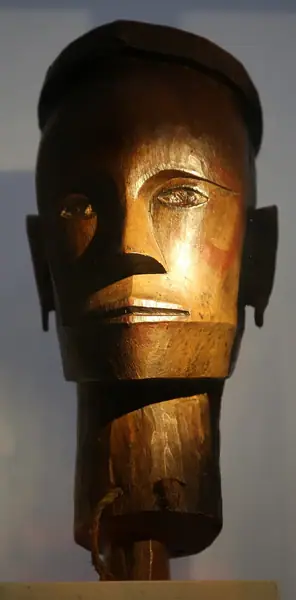 Sumatra, batak, testa come talismano protettivo, 1891
 Figurino. Il talismanoItaly · 1865
 Alstroemeria 'Parigo Charm'Italy
 Clavicula, in Italian and Latin: preceded by 'Tre tavole di Livio Agrippa' (Three works by Livio Agrippa). c.1775
 Figurino. Il talismanoItaly · 1865
More from Mediterranean & Iberian Folk: Cornicello & horn amulets
Every type in the gallery
Anything in the gallery can be made, by hand, in the prescribed metal or yours and, where the tradition names an hour, at that hour or with a plain note that it was not. Numbered. Price on commission, quoted first. I reply within one business day.