Deity pendants & sacred seeds
Meaning
Deity pendants carry a god's image or symbol: Ganesha (remover of obstacles), Hanuman (strength and protection), Krishna Shrinathji, Shiva's linga, Durga, local goddesses. Rudraksha seeds ('Rudra's eye') are Shiva's tears, and tulsi beads belong to Vishnu.
Intent
They were worn for the deity's protection and blessing, and as signs of devotion and sect. Lingayats wear a linga in a case at all times, and rudraksha is worn for health and spiritual power.
Significance
They show the personal bond between devotee and god in Hindu bhakti, and include some of India's most exquisite enamel jewellery from Nathdwara, Jaipur and Pratapgarh (thewa work).
History
Deity pendants are found from the early centuries CE and are widely made from the 18th century onward. Rudraksha use is recorded in Puranic texts.
Making yours
2–6 cm stamped silver or enamelled gold plaques. Rudraksha beads are natural seeds, 1–2 cm.South Asia: the tradition
India combines the protective systems of several religions. Hindu kavacha ('armour') prayers and yantras, Jain and Buddhist charms, Muslim ta'wiz and Sikh symbols are often worn by the same people. Planetary astrology (jyotisha) gave rise to the navaratna nine-gem jewel and to gemstones prescribed to balance the planets. Tigers' claws, rudraksha seeds and black thread against nazar (the evil eye) are pan-Indian. Mughal and Rajput courts made these amulets into jewellery of gold and precious stones, and British India turned the tiger claw into a Victorian fashion.
 Incised silver disc pendant with a plaited leather strap, Nubia (Egypt or Sudan), 19th centuryNubia · 1850-1899
 Large silver pendant with missing stone and pendants round the base, hanging from a chain, Cairo (Egypt), 1850Cairo · 1850-1880
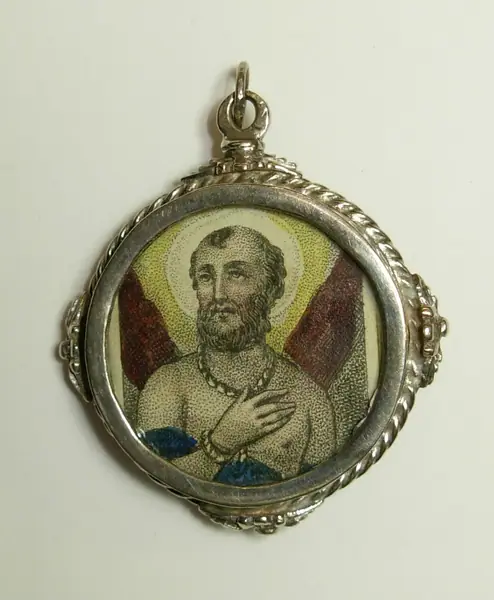 Silver pendant with religious prints, Cordoba (Spain), 1865-1870Cordoba · 1865-1870
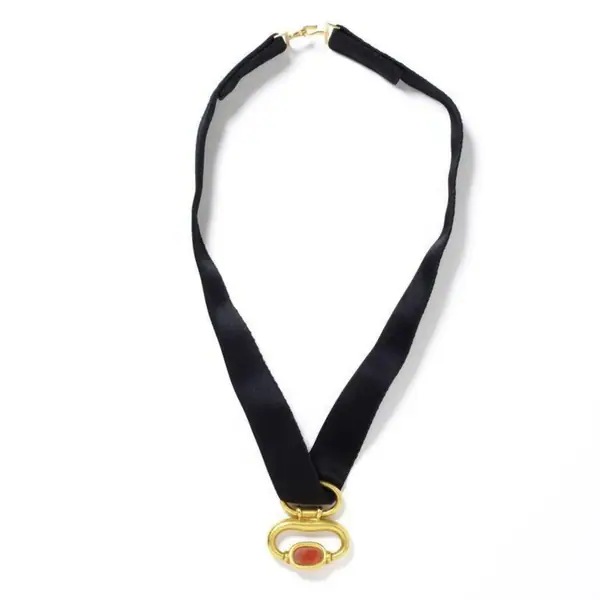 Gold pendant with carnelian scarab, Tiffany, New York, about 1890New York · ca. 1890
 Design Amulet with Pierced Shank, Device of Squatting Child Facing RightEgypt · First Intermediate Period, ca. 2100–2080 B.C.
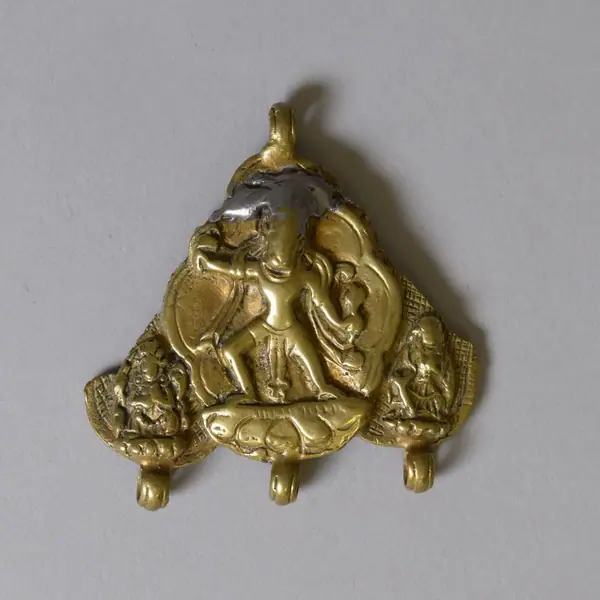 Ganesha; Jewellery, brass, embossed
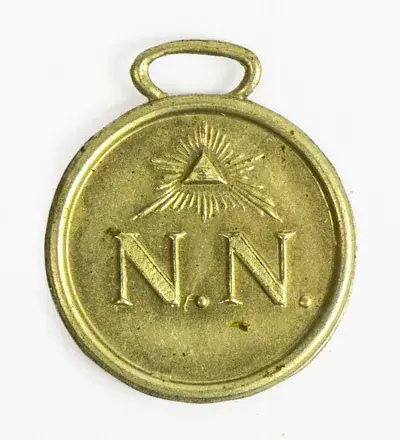 Amulett av nickel med initialerna N.N. och "Guds allseende öga", från SträngnäsSträngnäs
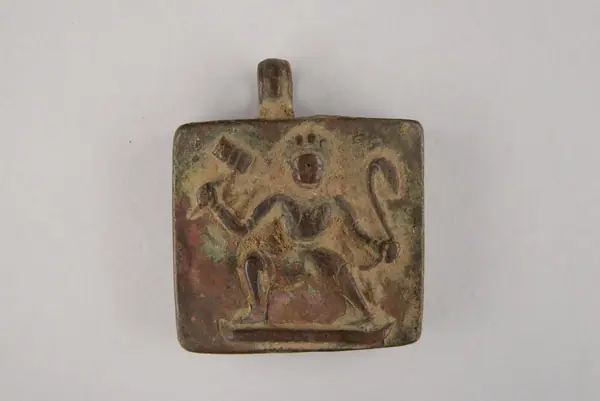 Darstellung von HanumanAustria
 Silver pendant with carnelian scarab6th–5th century B.C.
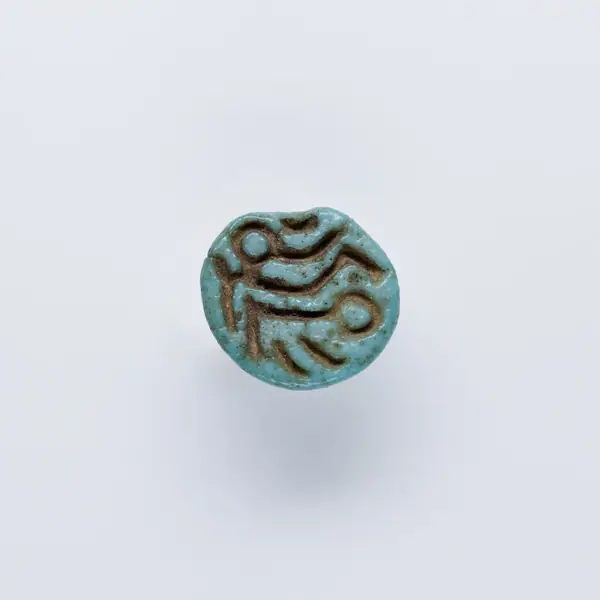 Design Amulet with Loop on the Back, Device of Two Children shown in Opposite Vertical OrientationsEgypt · First Intermediate Period, ca. 2100–1950 B.C.
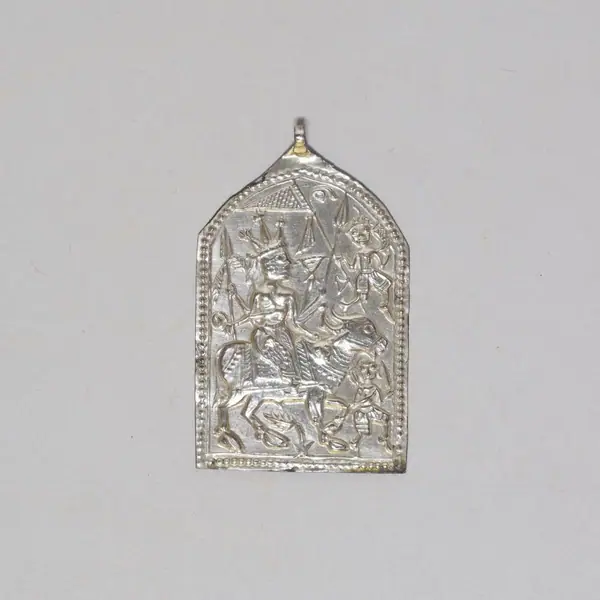 form goddess Durga; Jewellery, silver, embossed
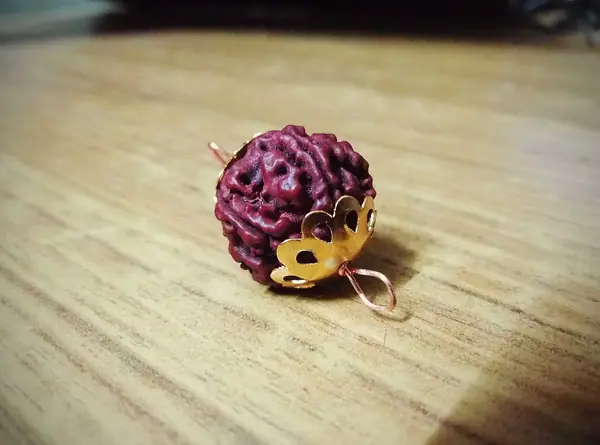 Rudraksha sixfaces by sankar
 Rudraksh in silver and fresh fruit of Rudraksha
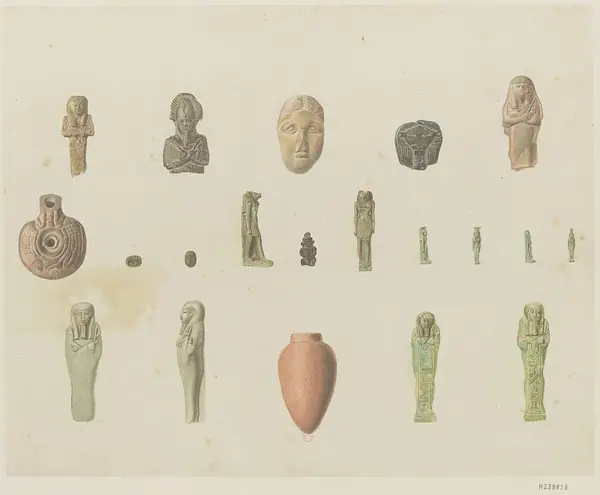 Collection d'antiques : amulettes : dessin / Jollois et Devilliers del.
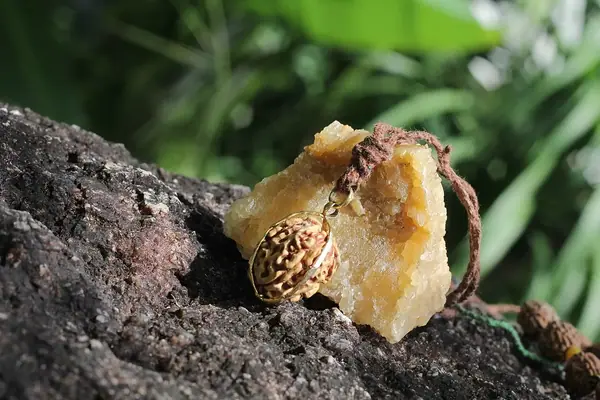 Rudraksha golden pendant
 Amulet Pendant with Green Tara and Manjushri (image 1 of 2)
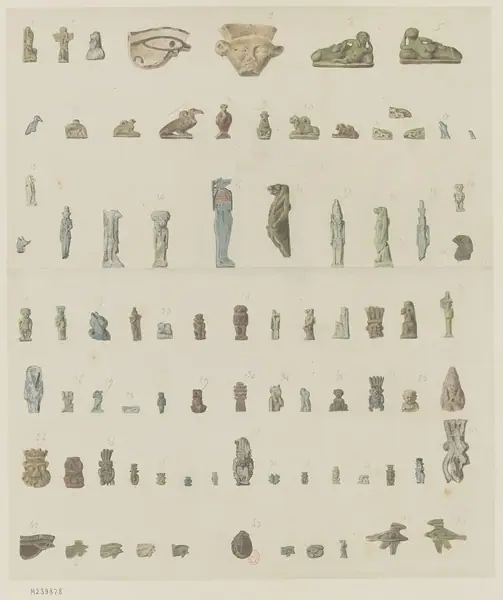 Collection d'antiques : amulettes : dessin / Jollois et Devilliers del.
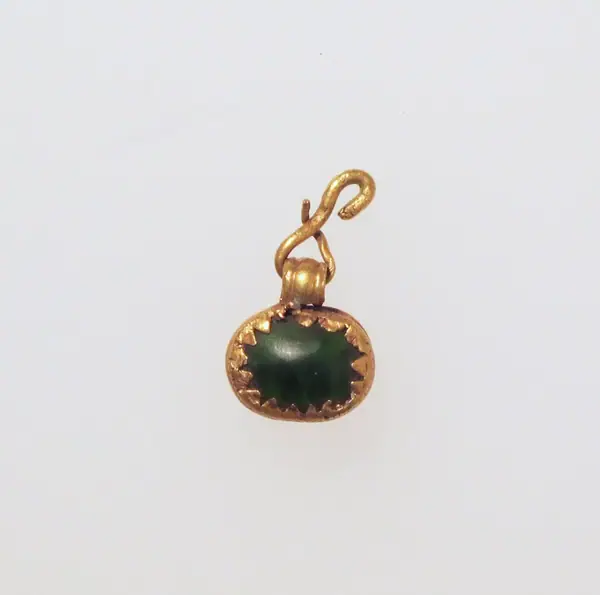 Pendant with scaraboid
 Fourteen-face-rudraksha
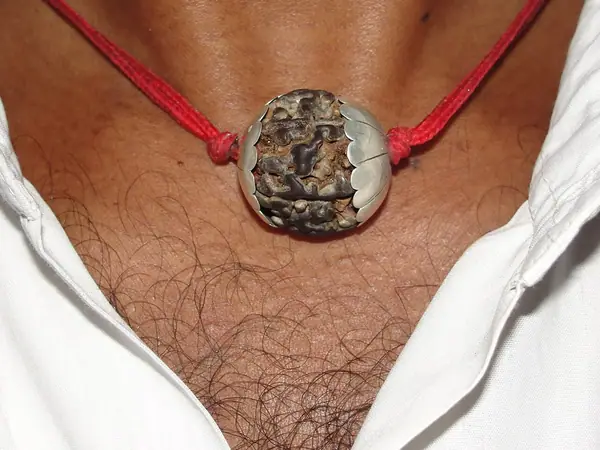 A aesthetic Rudrakṣa nut
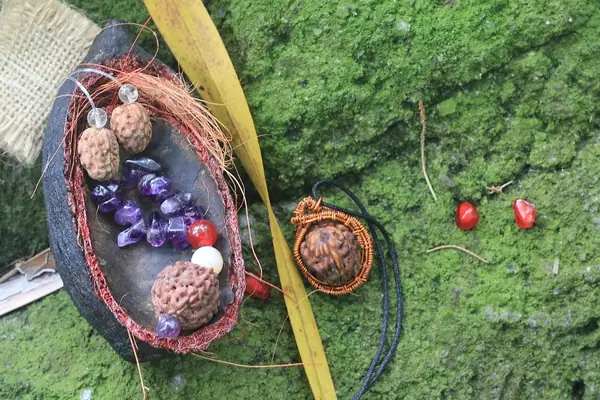 Rudraksha pendant in dry Cacao pod
 Amulet Pendant with Green Tara and Manjushri (image 2 of 2)
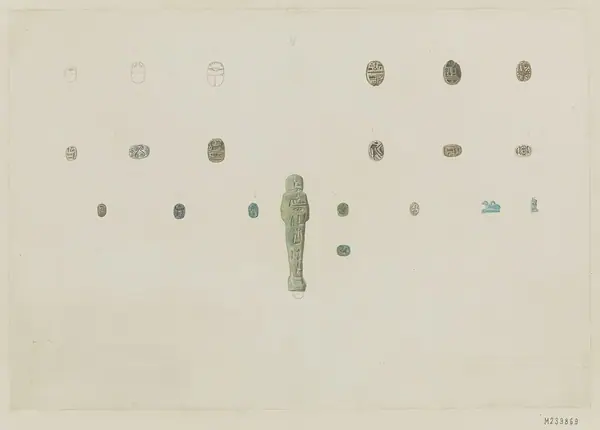 Collection d'antiques : amulettes : dessin / Jollois et Devilliers del.
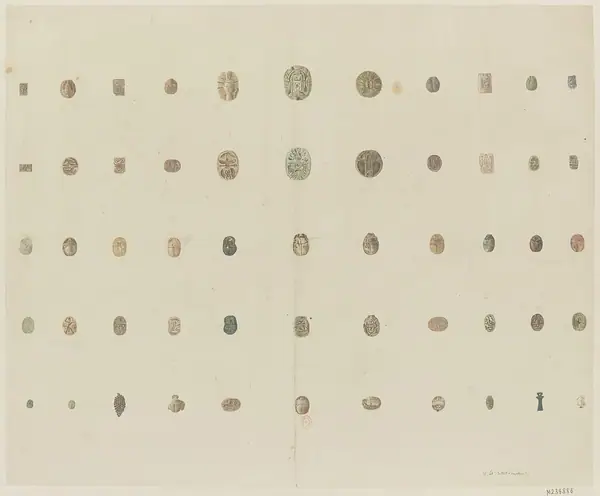 Collection d'antiques : amulettes : dessin / Jollois et Devilliers del.
 Non-srilled Rudraksha in copper wire pendant
 Rudraksha 2
 Collection d'antiques : amulettes : dessin / Jollois et Devilliers del.
 Tweeling-amulet, asset b2AdDpvMcYVdURgAWYeZJhNp
More from South Asia: Tiger-claw & tooth amulets · Navaratna (nine-gem) amulets · Yantras & mantra plates
Every type in the gallery
Anything in the gallery can be made, by hand, in the prescribed metal or yours and, where the tradition names an hour, at that hour or with a plain note that it was not. Numbered. Price on commission, quoted first. I reply within one business day.